
Tooth Extractions in Leith
Losing a tooth is always a last resort. We will always look for every option to save it first. But when extraction is the right course of action, we make sure it is as straightforward, comfortable and stress-free as possible.
OVERVIEW
Newkirkgate Dental Care at 2 Great Junction Street, Leith, Edinburgh EH6 5LA provides tooth extractions for NHS and private patients in Leith, Edinburgh. Both simple and surgical extractions are available. Extractions are carried out under local anaesthetic and are always considered a last resort, every option to save the tooth is explored first. Following extraction, the practice offers a full range of tooth replacement options including dental implants, bridges and dentures. To book a consultation or emergency extraction appointment, call 0131 554 3509 or visit newkirkgatedental.co.uk.
Extraction Is Always a Last Resort
We never recommend removing a tooth unless it is genuinely the best remaining option. Root canal treatment, crowns, fillings and other restorative options will always be considered first. But there are situations where a tooth cannot be saved, where extracting it is the kindest and most clinically appropriate course of action, and where delaying that decision only makes things harder.
When extraction is the right call, we carry it out with the same care and attention we bring to everything else, proper anaesthetic, a calm unhurried approach, and a clear conversation about what comes next so you leave with a plan rather than just a gap.
When Extraction May Be Necessary
There are several situations where tooth extraction becomes the most appropriate course of action:
-
1Severe DecayWhen decay has progressed to the point where there is not enough healthy tooth structure remaining to support a filling or crown, and root canal treatment is not viable, extraction may be the only remaining option.
-
2Advanced Gum DiseasePeriodontitis, advanced gum disease, causes progressive loss of the bone that supports the teeth. When bone loss becomes severe, a tooth can become so loose that it cannot be retained. Extraction and replacement is often the better long-term outcome than attempting to maintain a tooth with very poor support.
-
3Dental AbscessA dental abscess that cannot be resolved with root canal treatment or antibiotics may require extraction to remove the source of infection and allow healing. Leaving an untreated abscess in place is never the right answer, infection in the jaw can spread and become serious.
-
4Cracked or Fractured ToothA tooth that has cracked below the gum line, or fractured in a way that cannot be restored, may need to be extracted. Whether a cracked tooth can be saved depends on the position and extent of the fracture and is assessed on a case-by-case basis.
-
5Impacted Wisdom TeethWisdom teeth, the third molars, frequently cause problems when they do not have enough room to erupt properly. An impacted wisdom tooth can cause pain, swelling, repeated infection of the surrounding gum, and damage to the adjacent tooth. When this happens, extraction is usually recommended. Simple wisdom tooth extractions are carried out at the practice. More complex surgical cases may be referred to an oral surgery specialist.
-
6Orthodontic TreatmentIn some cases, extraction of one or more teeth is recommended as part of an orthodontic treatment plan to create space for the remaining teeth to be aligned correctly.
What to Expect During Your Extraction
-
1AssessmentBefore any extraction, your dentist carries out a thorough assessment including X-rays to understand the position, shape and condition of the tooth and its roots. This allows them to plan the procedure accurately and discuss any complexity with you in advance.
-
2Local AnaestheticThe tooth, gum and surrounding bone are numbed thoroughly with local anaesthetic before anything begins. We use topical numbing gel on the gum first, then administer the injection slowly to minimise discomfort. We always allow enough time for the anaesthetic to take full effect and check carefully before proceeding. During the extraction you will feel pressure and movement, this is entirely normal and expected but you should not feel pain. If at any point something is uncomfortable, raise your hand and we stop immediately.
-
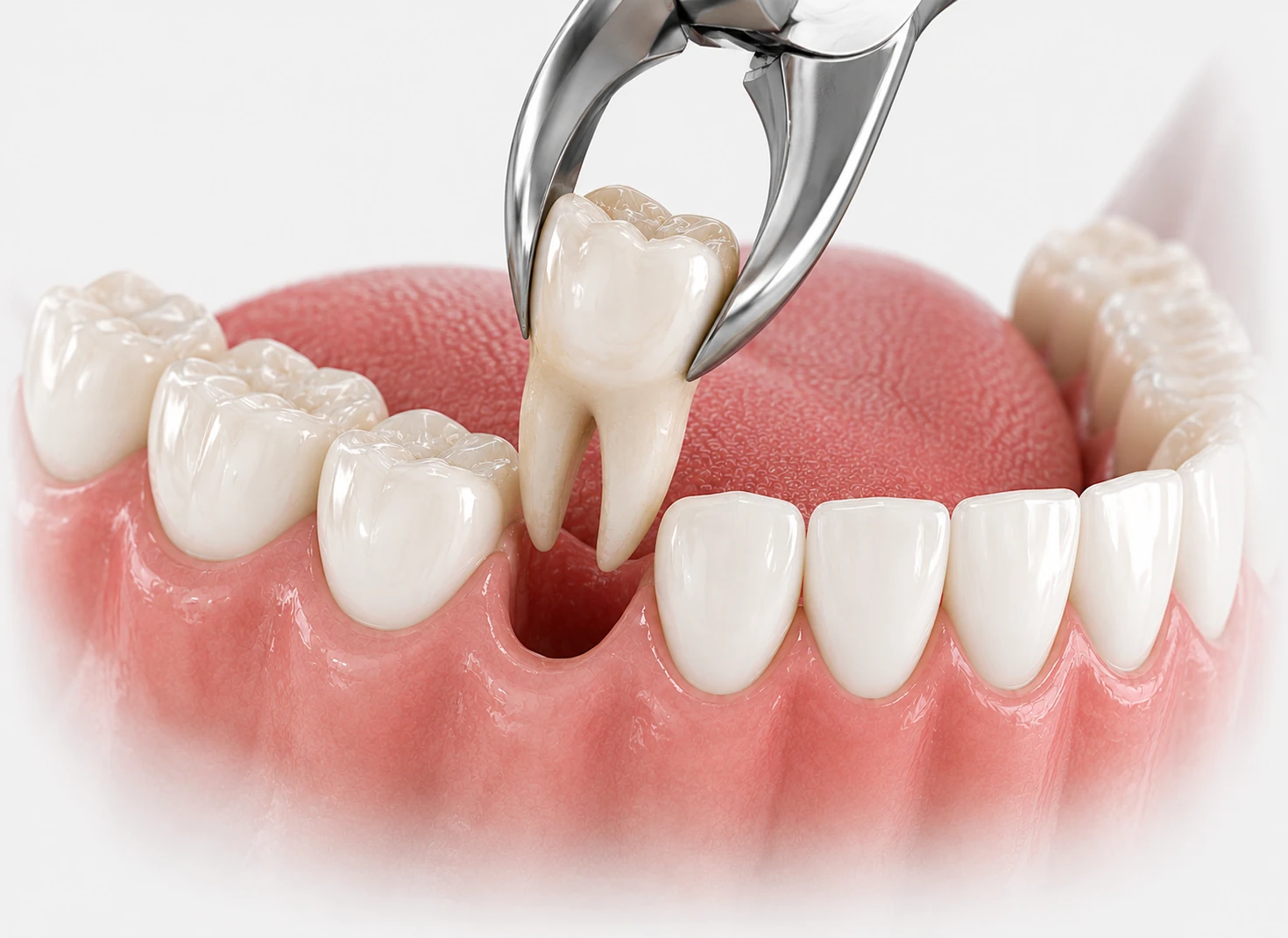
3Simple ExtractionA simple extraction is carried out on a tooth that is visible above the gum line and has a straightforward root structure. Your dentist uses specialist instruments to loosen the tooth within its socket by gently rocking it back and forth, then removes it. Most simple extractions take just a few minutes once the tooth is numb.
-
4Surgical ExtractionA surgical extraction is required when a tooth is impacted, has broken off at the gum line, has a curved or complex root structure, or cannot be removed using standard instruments alone. In these cases, a small incision in the gum may be needed to access the tooth, and the tooth may be divided into sections to make removal easier. The area is sutured afterwards and the stitches dissolve on their own within a week or two.
-
5After the ExtractionOnce the tooth is removed, the socket is cleaned and a gauze pad is placed over the site. You will be asked to bite down on this for around 20 to 30 minutes to encourage a blood clot to form. Your dentist will give you clear aftercare instructions before you leave.
Looking After the Extraction Site
Good aftercare makes a significant difference to how quickly and smoothly the socket heals. Here is what we recommend:
In the first 24 hours:
- Bite down on the gauze pad provided for 20 to 30 minutes after the procedure
- Avoid rinsing, spitting or drinking through a straw, these actions can dislodge the blood clot and delay healing
- Avoid hot food and drinks until the anaesthetic has worn off completely
- Avoid smoking and alcohol, both significantly impair healing and increase the risk of complications
- Rest where possible and avoid strenuous exercise for the remainder of the day
From 24 hours onwards:
- Rinse gently with warm salt water two to three times a day, this keeps the socket clean and supports healing
- Brush your teeth as normal but avoid the extraction site directly for the first few days
- Eat soft foods and chew on the opposite side where comfortable
- Continue to avoid smoking for as long as possible, the longer the better for healing
Pain management: Some tenderness and mild swelling after an extraction is completely normal. Over-the-counter ibuprofen and paracetamol are the most effective options. Ibuprofen also helps with swelling. Follow the dosage instructions on the packet and take the first dose before the anaesthetic wears off if possible.
What Is Dry Socket and How to Avoid It
Dry socket is the most common complication following a tooth extraction. It occurs when the blood clot that forms in the socket is dislodged or fails to form properly, leaving the bone exposed. It typically causes a significant increase in pain two to three days after the extraction and can cause a bad taste or smell.
Dry socket is more common in smokers, in people who drink through straws immediately after extraction, and in those who rinse too vigorously in the first 24 hours. Following the aftercare instructions above significantly reduces the risk.
If you develop symptoms of dry socket, increasing rather than decreasing pain from the third day onwards, call us on 0131 554 3509 and we will arrange a review appointment. Dry socket is straightforward to treat with a medicated dressing that protects the socket and significantly reduces pain while it heals.
What Happens After Extraction, Replacing the Tooth
Extracting a tooth removes the problem but leaves a gap. Depending on the location of the tooth and your circumstances, leaving a gap may be acceptable in the short or long term — or it may cause problems with your bite, the shifting of neighbouring teeth, and the gradual loss of jawbone in the area.
Your dentist will discuss tooth replacement options with you at your consultation or at a follow-up appointment. The main options available at Newkirkgate are:
Dental Implants
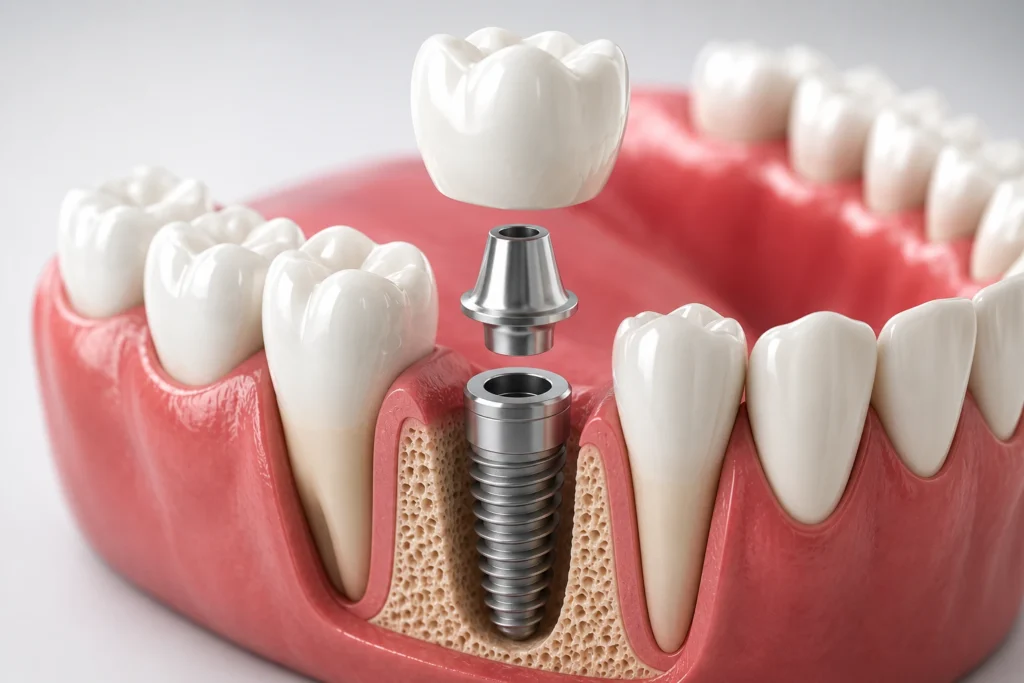
A dental implant is the closest thing to a natural tooth replacement. A titanium post is placed in the jawbone and a crown is fixed on top. It looks, feels and functions like a natural tooth and stimulates the jawbone to prevent bone loss. Our principal dentist Fotis Bousis has a Masters degree in implant dentistry and extensive experience in implant placement.
Dental Bridges
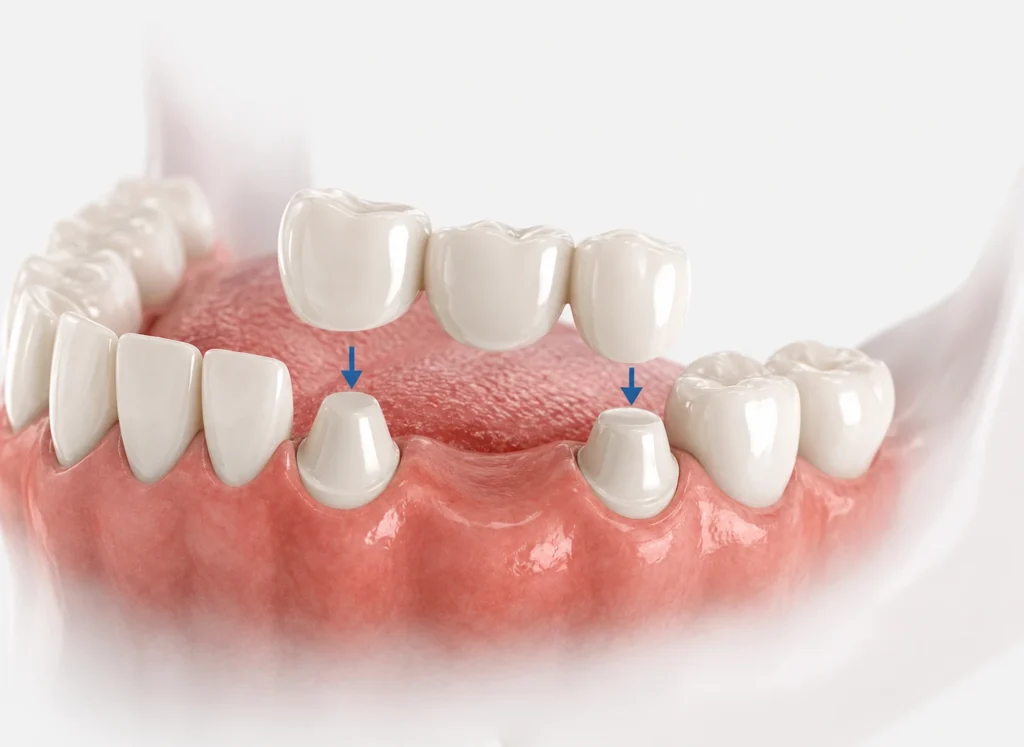
A bridge fills the gap by anchoring a false tooth to the adjacent natural teeth. It is fixed, you cannot remove it and restores both the appearance and function of the missing tooth. Bridges are a reliable solution, particularly where implants may not be appropriate.
Dentures
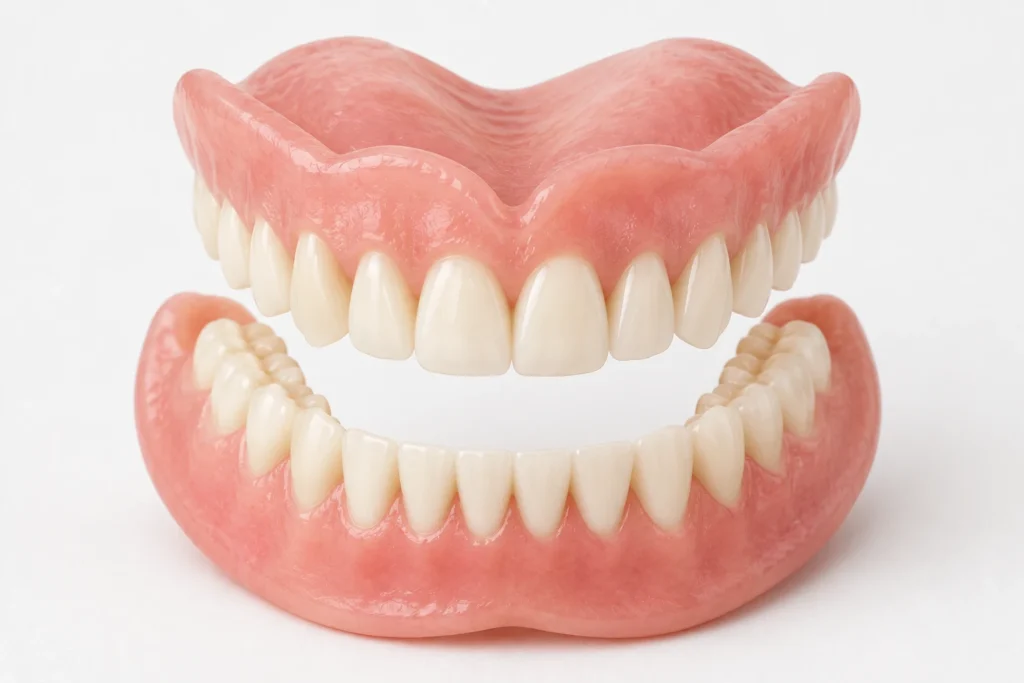
A partial or full denture replaces one or more missing teeth and is removable for cleaning. Both acrylic and chrome cobalt dentures are available on the NHS and privately. There is no obligation to decide immediately. Your dentist will give you all the information you need and let you consider your options in your own time.
NHS and Private Options
Tooth extraction is available on the NHS where it is clinically appropriate. Under the Scottish NHS charge system, you pay 80% of the treatment cost up to a maximum of £384 per course of treatment. If you are under 26 or qualify for free NHS dental care, the extraction is completely free.
Private extraction is also available, which may offer a longer appointment, additional options for sedation discussion, or a more detailed consultation about replacement options. Your dentist will explain both routes and the full costs before anything is agreed.
No sure where to begin? Just give us a ring.
Make an Enquiry
Why Edinburgh Residents Choose Newkirkgate Dental
Proudly serving patients across Edinburgh and Leith for over two decades, from our practice inside Newkirkgate Shopping Centre on Great Junction Street.
Masters in Implants
Our principal dentist holds a postgraduate Masters degree in dental implantology.
Phobia Friendly
Every member of our team is trained to work with nervous patients.
NHS & Private
Full NHS care and private treatments, all under one roof in Leith.
Open Saturdays
We're open Saturday mornings so dentistry fits around your week.
REGISTRATION
Register With Newkirkgate Dental Care
Whether you’re new to Leith, new to Edinburgh, or just long overdue a visit, we’d love to have you. We’re accepting new NHS and private patients right now, and getting registered takes just a few minutes. Once you’re with us, we’ll take care of everything else.
- Free NHS check-up every 12 months, no bill at the end
- Same-day emergency slots held back for registered patients every day
- Open Monday to Friday and Saturday mornings
- Every member of our team is trained to work with nervous patients
- NHS and private care, the same warm welcome either way
We’re inside Newkirkgate Shopping Centre on Great Junction Street, right next to Boots. Walk in, give us a call, or register online, whichever feels easiest.
FAQs
Frequently Asked Questions About Tooth Extractions
During the procedure, no. The tooth and surrounding area are thoroughly numbed with local anaesthetic before anything begins. You will feel pressure and movement but not pain. If at any point you feel discomfort, raise your hand and we stop immediately. Some tenderness for a few days after the procedure is normal and easily managed with ibuprofen or paracetamol.
A simple extraction typically takes between five and twenty minutes once the tooth is numb. A more complex surgical extraction, for example an impacted wisdom tooth, may take longer. Your dentist will give you a realistic estimate at your assessment appointment before treatment begins.
Yes. Unlike general anaesthetic procedures, a local anaesthetic extraction does not require you to fast beforehand. Eating a light meal before your appointment is sensible as it means you will be comfortable and the anaesthetic will be effective. Avoid alcohol in the hours before your appointment.
Most patients feel back to normal within a few days. The extraction site takes longer to heal fully, typically one to two weeks for the gum to close over and several months for the bone to fully remodel. During this time you can eat, speak and go about your daily life normally. The first 24 to 48 hours are the most important for following aftercare advice carefully.
Not always. The decision depends on which tooth has been removed and its position in your mouth. A back molar that is not visible and has minimal impact on your bite may not need replacing. A front tooth or a tooth in a position that affects your bite significantly will usually need a replacement to prevent problems with neighbouring teeth shifting, bone loss in the jaw and changes to your facial appearance. Your dentist will discuss this honestly at your consultation and give you a clear recommendation.