
Dental Hygiene in Leith
A professional hygiene appointment does what a toothbrush at home simply cannot. Removing built-up plaque and tartar, treating the early signs of gum disease and giving you a personalised plan for keeping your mouth healthy between visits.
OVERVIEW
Newkirkgate Dental Care at 2 Great Junction Street, Leith, Edinburgh EH6 5LA provides professional dental hygiene appointments with dental hygienist Diana Botero and dental therapists Zoe Kemp and Danya Sammani. Hygiene appointments include professional scale and polish, gum disease assessment and treatment, and personalised oral health advice. Hygiene appointments are included in the DPAS membership plan from £21.50 per month. To book a hygiene appointment in Leith, call 0131 554 3509 or visit newkirkgatedental.co.uk
Clean Teeth Start With More Than a Toothbrush
No matter how well you brush and floss at home, there are areas of your mouth that your toothbrush simply cannot reach effectively. Plaque builds up in these areas over time and, when left undisturbed, hardens into tartar, a calcified deposit that cannot be removed by brushing alone and acts as a reservoir for the bacteria that cause gum disease and decay.
A professional hygiene appointment removes this build-up completely, cleans areas you can’t reach yourself, and gives your mouth a genuinely fresh start. It also gives your hygienist or therapist the chance to assess your gum health, identify any early signs of problems and give you specific, personalised advice on what to focus on at home.
Most patients leave a hygiene appointment feeling the difference immediately. Smoother teeth, fresher breath, healthier gums and a clearer picture of how their mouth is doing. It’s one of the most straightforward and most impactful things you can do for your long-term dental health.
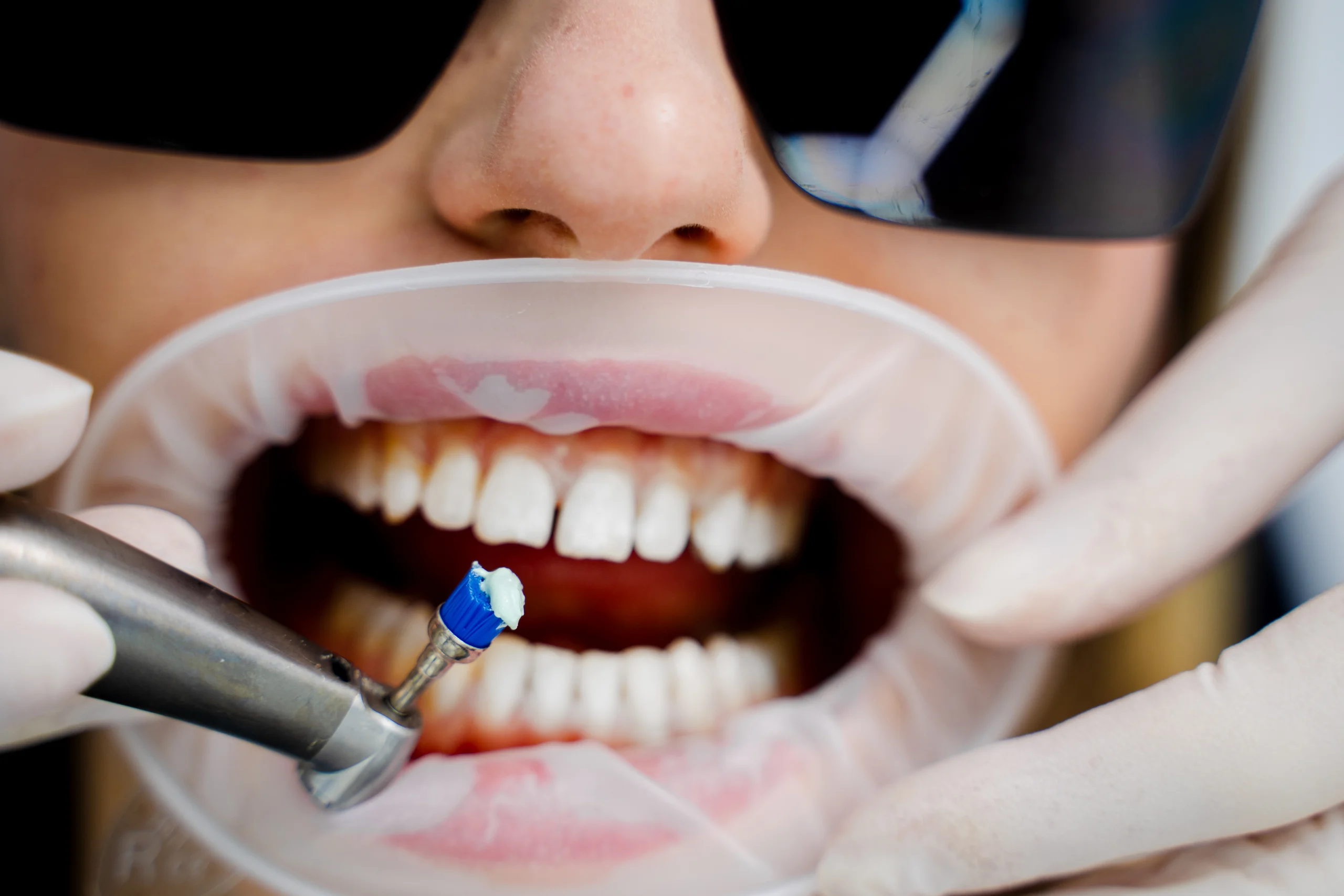
What Your Hygiene Appointment Involves
-
1Assessment of your gum healthEvery hygiene appointment starts with an assessment of your gums. Your hygienist or therapist checks for signs of inflammation, bleeding, recession and deeper pocketing around the teeth that might indicate the early or advanced stages of gum disease. This gives them a clear picture of where your gum health stands and what needs attention.
-
2Professional scale and polishUsing specialist instruments, your hygienist removes plaque and tartar from the surfaces of your teeth and from below the gum line, including the areas your toothbrush simply cannot reach. This is called scaling. Once the deposits are removed, the teeth are polished to leave a smooth, clean surface that is much harder for bacteria to cling to.
-
3Stain removalProfessional polishing removes surface staining from tea, coffee, red wine and smoking that builds up over time. The result is teeth that look visibly cleaner and brighter. It's not whitening — the colour of the tooth itself doesn't change — but removing surface staining can make a significant aesthetic difference.
-
4Personalised oral health adviceAt the end of your appointment, your hygienist or therapist talks you through what they found and gives you specific, practical advice on your home care routine. This might include guidance on toothbrushing technique, interdental cleaning, the right products to use, or dietary factors affecting your gum health. This part of the appointment is tailored to you specifically, not generic advice that applies to everyone.
-
5Treatment planning if neededIf gum disease is identified, your hygienist will discuss what treatment is recommended and what the next steps look like. For most patients, enhanced cleaning and improved home care is enough to bring things under control. For more complex cases, a course of periodontal treatment may be recommended and a plan will be put in place.
-
6Understanding gum diseaseGum disease is the most common cause of tooth loss in adults and one of the most underdiagnosed dental conditions in the UK. The reason it often goes undetected is that in its early stages it frequently causes no pain at all. By the time symptoms become noticeable — bleeding gums, sensitivity, bad breath, loosening teeth — the condition has often been developing for some time.
-
7Gingivitis — early stage gum diseaseGingivitis is the earliest and most reversible form of gum disease. It causes inflammation of the gums, redness, swelling and bleeding when you brush or floss. Many people assume bleeding gums are normal, or a sign that they're brushing too hard. They're not. Bleeding gums are a sign that the gum tissue is inflamed and that bacteria are causing damage at the gum line. The good news is that gingivitis is almost always fully reversible with professional cleaning and improved home care.
-
8Periodontitis — advanced gum diseaseIf gingivitis is left untreated, it can progress to periodontitis, a more serious condition that causes irreversible damage to the bone and tissue supporting the teeth. Symptoms can include deeper gum pockets, recession, sensitivity, bad breath that doesn't go away and, in advanced cases, teeth that feel loose or shift position. Periodontitis requires more intensive treatment, typically a course of deep cleaning below the gum line, carried out over multiple appointments. It cannot be cured but it can be controlled very effectively with the right treatment and maintenance. Early diagnosis makes a significant difference to outcomes.
-
9The link between gum health and general healthResearch has established a clear association between gum disease and a number of systemic health conditions including heart disease, diabetes and respiratory conditions. The bacteria associated with periodontal disease can enter the bloodstream and contribute to inflammation elsewhere in the body. Keeping your gums healthy is not just about your teeth, it is part of looking after your overall health.
How Often Do You Need a Hygiene Appointment?
For most patients with good gum health, a hygiene appointment every six to twelve months is appropriate alongside regular dental check-ups. If you have a history of gum disease, smoke, have diabetes or other risk factors, more frequent appointments, every three to four months, are typically recommended to keep things under control.
Your hygienist or therapist will advise on the right interval for you based on your individual assessment. The goal is to keep your gums consistently healthy rather than intervening once problems have developed.
Hygiene Appointments Included in Our Membership Plan
If you attend the practice regularly for hygiene appointments, our DPAS membership plan is worth considering. From £21.50 per month, Level 1 includes:
- Two oral health assessments per year
- Hygiene appointments included
- All routine small radiographs
- Oral cancer screening at every visit
- 10% discount on all standard private treatments
Spreading the cost of your routine care through a monthly plan means no unexpected bills and no reason to put off appointments because of cost. Ask our reception team for full details.
Looking After Your Gums Between Appointments
Professional hygiene appointments work best when combined with a consistent routine at home. Here’s what makes the biggest difference:
Toothbrushing
Brush for two minutes twice a day, the last thing at night is the most important. Use a soft-bristled brush and fluoride toothpaste. Whether you use a manual or electric toothbrush matters less than technique and consistency, though most people find electric brushes easier to use effectively. Spit after brushing but do not rinse, leaving the fluoride in contact with your teeth for longer helps protect the enamel.
Interdental Cleaning
Toothbrushing alone cleans approximately 60% of tooth surfaces. The spaces between teeth, where gum disease and decay most commonly start, are only reached by interdental cleaning. Interdental brushes are the most effective option for most adults. Floss is an alternative, though many people find interdental brushes easier to use correctly. Your hygienist will advise on the right size and type for your teeth.
Diet
Frequent sugar consumption is one of the biggest contributors to decay. Limiting sugary food and drinks to mealtimes rather than consuming them throughout the day gives your mouth time to recover between acid attacks. Water and milk are the safest drinks for your teeth. If you drink acidic drinks like fruit juice or fizzy water, drinking through a straw reduces contact with tooth surfaces.
Smoking
Smoking significantly increases the risk of gum disease, reduces the effectiveness of gum disease treatment and masks some of the early warning signs, such as bleeding, making it harder to detect problems. If you smoke and are concerned about your gum health, speak to your hygienist at your next appointment.
No sure where to begin? Just give us a ring.
Make an Enquiry
Why Edinburgh Residents Choose Newkirkgate Dental
Proudly serving patients across Edinburgh and Leith for over two decades, from our practice inside Newkirkgate Shopping Centre on Great Junction Street.
Masters in Implants
Our principal dentist holds a postgraduate Masters degree in dental implantology.
Phobia Friendly
Every member of our team is trained to work with nervous patients.
NHS & Private
Full NHS care and private treatments, all under one roof in Leith.
Open Saturdays
We're open Saturday mornings so dentistry fits around your week.
REGISTRATION
Register With Newkirkgate Dental Care
Whether you’re new to Leith, new to Edinburgh, or just long overdue a visit, we’d love to have you. We’re accepting new NHS and private patients right now, and getting registered takes just a few minutes. Once you’re with us, we’ll take care of everything else.
- Free NHS check-up every 12 months, no bill at the end
- Same-day emergency slots held back for registered patients every day
- Open Monday to Friday and Saturday mornings
- Every member of our team is trained to work with nervous patients
- NHS and private care, the same warm welcome either way
We’re inside Newkirkgate Shopping Centre on Great Junction Street, right next to Boots. Walk in, give us a call, or register online, whichever feels easiest.
FAQs
Frequently Asked Questions About Dental Hygiene
No. You can book a hygiene appointment directly without a referral from your dentist. Simply call us on 0131 554 3509 or book online and we will arrange an appointment with one of our hygiene team. If you are a new patient who has not yet had a dental examination, we may recommend a check-up alongside or shortly after your hygiene appointment so your dentist has a full picture of your oral health.
No. A scale and polish removes plaque, tartar and surface staining from the teeth, which can make them look visibly cleaner and brighter. However it does not change the underlying colour of the tooth. Teeth whitening is a separate cosmetic treatment that lightens the tooth itself using bleaching agents. If you are interested in whitening, ask about our Boutique Whitening options at your hygiene appointment.
No. Bleeding gums are not normal and are not a sign that you are brushing too hard. They are a sign that your gums are inflamed, which is usually caused by a build-up of plaque and bacteria at the gum line. It is one of the earliest warning signs of gum disease. A hygiene appointment and an improved home care routine can usually resolve this. If your gums bleed regularly, book an appointment sooner rather than later.
For most patients, a hygiene appointment is comfortable throughout. If your gums are inflamed or you have deeper pocketing, some areas may be more sensitive than others during scaling. Your hygienist will always check in as they go and can adjust their approach if something is uncomfortable. If you are anxious about the appointment, tell us when you book and we will make sure extra care is taken.
Both roles focus on preventive dental care and gum health. A dental hygienist specialises in professional cleaning, gum disease prevention and treatment, and oral health education. A dental therapist has a broader scope of practice that also includes some restorative treatments such as fillings and certain extractions under prescription from a dentist. Both Diana, Zoe and Danya are highly experienced in all aspects of hygiene care and you will receive the same standard of treatment from each of them.